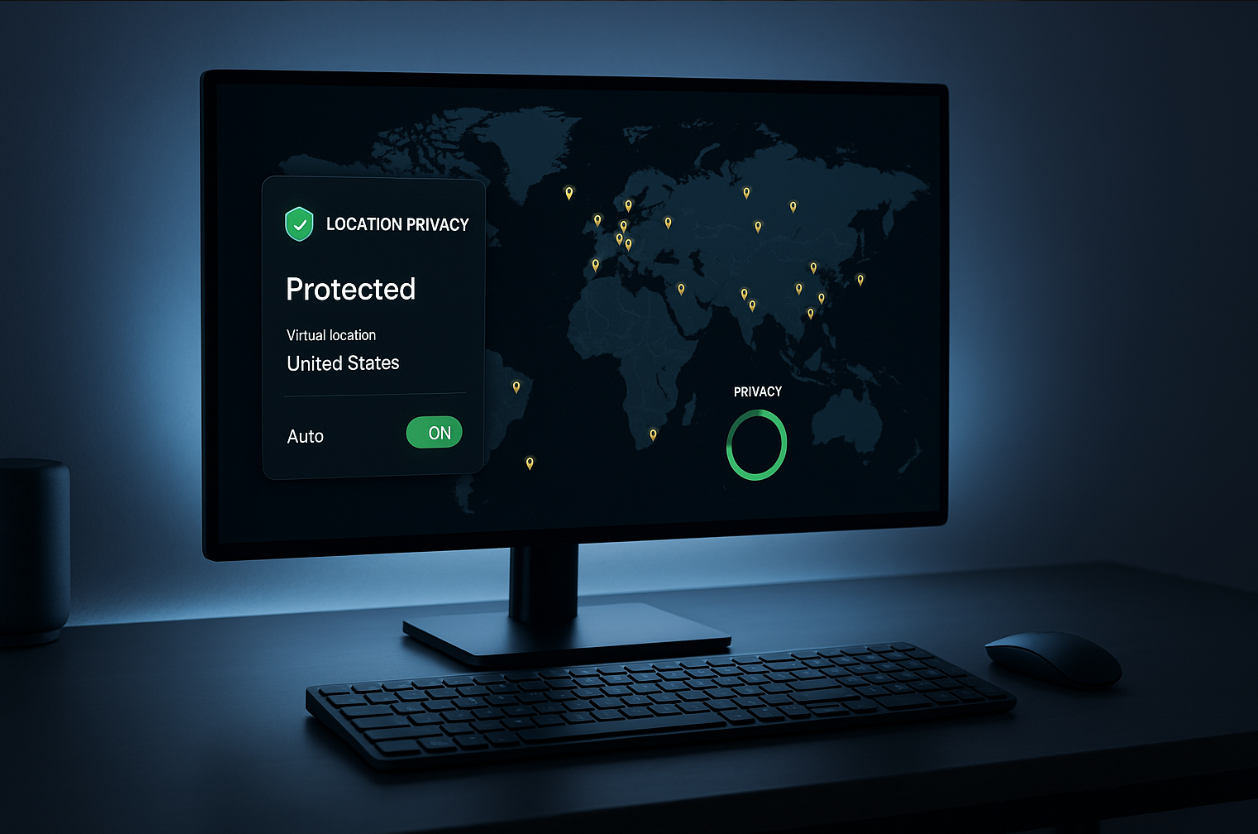
In today’s digital landscape, location privacy has become increasingly important as apps and websites continuously track our geographical data. Whether you’re a developer testing location-based applications, a privacy-conscious user wanting to protect your real location, or someone looking to access geo-restricted content, understanding how to modify your GPS location is essential. This comprehensive guide covers everything you need to know about changing GPS locations on computers, smartphones, and browsers safely and effectively.
Table of Contents
Understanding GPS Location Spoofing and Its Uses
GPS location spoofing involves changing your device’s reported geographical coordinates to a different location than where you actually are. This technology has evolved significantly and now serves multiple legitimate purposes beyond simple location masking.
Primary Use Cases for Location Modification:
Privacy Protection: Shield your real location from apps and websites that track geographical data for advertising or data collection purposes[146][154].
App Development and Testing: Developers need to test location-based features across different geographical regions without physically traveling[144][145].
Content Access: Bypass geographical restrictions on streaming services, news websites, or region-specific applications[147][148].
Gaming Enhancement: Access location-based games like Pokémon GO from different virtual locations without physical movement[153][157].
Social Media Privacy: Protect your actual whereabouts while using social platforms like Snapchat, Instagram, or dating applications[148][155].
How to Change GPS Location on PC and Mac
Method 1: Using Android Emulators (Recommended)
The most reliable way to change the GPS location on computers involves using Android emulators that support location spoofing[144][147].
BlueStacks GPS Emulator Setup:
- Download and install BlueStacks: Visit the official BlueStacks website and download the latest version for Windows or Mac
- Launch BlueStacks: Open the application and complete the initial setup process
- Access Google Play Store: Sign in with your Google account to access the Play Store within BlueStacks
- Install GPS Spoofing App: Search for “Fake GPS Location” by Lexa or “GPS Location Spoofer” and install it[144][145]
- Configure Location: Open the GPS app, select your desired location on the map, and activate the spoofing
- Test the Setup: Use location-dependent apps within BlueStacks to verify the new location works correctly
Alternative Emulators:
- NoxPlayer: Offers similar functionality with built-in location spoofing features[153]
- MuMu Player: Supports both Windows and macOS with efficient GPS emulation[147]
- LDPlayer: Lightweight option with good performance for location-based applications
Method 2: Desktop Location Spoofing Software
For users who prefer dedicated desktop applications, several professional tools offer comprehensive location modification capabilities.
iToolab AnyGo (Premium Solution):
- Supports both iOS and Android devices when connected to a PC
- Offers joystick control for natural movement simulation
- Creates custom walking routes with adjustable speeds
- Handles multiple devices simultaneously
- Price: Approximately $10-15 per month[148]
MockGo (iOS Focused):
- Specializes in iPhone location spoofing
- Natural movement simulation along real roads
- GPX file import for complex routes
- Supports up to 5 devices simultaneously
- Free trial available with limited features[151]
Method 3: Browser-Based Location Spoofing
For web-based location changes, browser extensions and developer tools provide effective solutions.
Chrome Extensions:
- Location Guard: Allows precise latitude and longitude customization[152]
- Spoof Geolocation: Randomized location data with accuracy control[156]
Manual Browser Configuration:
- Open Chrome Developer Tools (F12)
- Navigate to the Console tab
- Access Sensors in the settings menu
- Override geolocation with custom coordinates
- Refresh the webpage to apply changes
Mobile GPS Location Spoofing
Android Location Modification
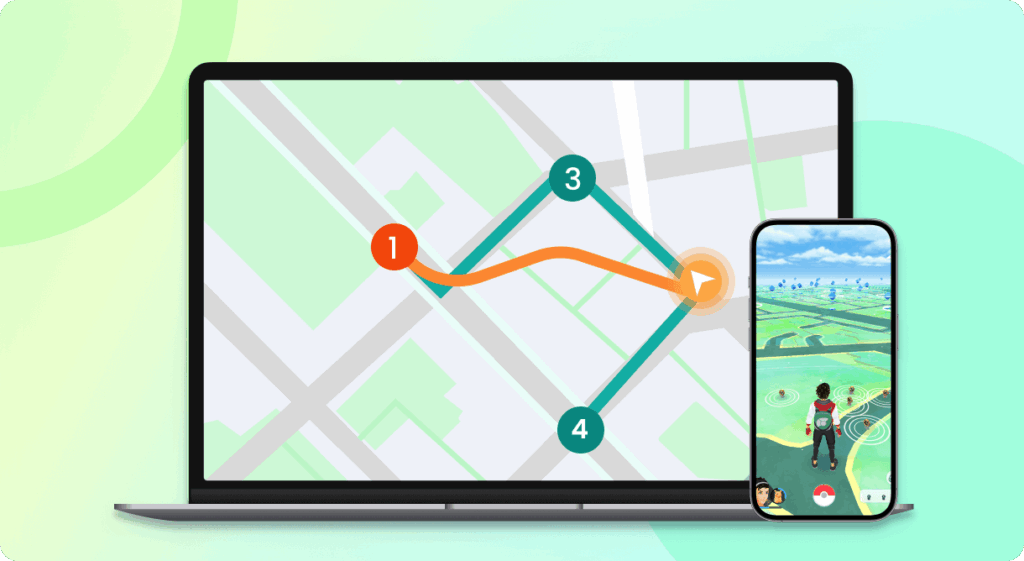
Android devices offer more flexibility for location spoofing due to their open architecture.
Step-by-Step Android Setup:
- Enable Developer Options: Go to Settings > About Phone > Tap Build Number 7 times
- Allow Mock Locations: In Developer Options, enable “Allow mock locations.”
- Install GPS Spoofing App: Download apps like “Location Changer – Fake GPS”[157] or “Fake GPS Location Spoofer”[145]
- Set Mock Location App: In Developer Options, select your chosen GPS app as the mock location provider
- Configure Location: Open the GPS app, select the desired location, and start spoofing
- Verify Changes: Use Google Maps or other location services to confirm the new location
Popular Android GPS Apps:
- Fake GPS Location by Lexa: Simple interface with reliable performance[144]
- Location Changer by Netlinkd: Joystick control with detailed location information[157]
- GPS Location Spoofer: Advanced route creation with GPX file support[145]
iOS Location Modification
iOS devices require more sophisticated approaches due to Apple’s security restrictions.
Computer-Based iOS Location Spoofing:
- Connect iPhone to PC/Mac: Use the USB cable to establish a connection
- Install Desktop Software: Use tools like iToolab AnyGo, MockGo, or PoGoskill[148][151][153]
- Launch Application: Open the spoofing software and detect your connected device
- Select Location: Choose desired coordinates on the built-in map
- Apply Changes: Activate location spoofing and verify on your iPhone
iOS-Specific Considerations:
- No jailbreaking required for most professional tools
- Location changes affect all apps systemically
- Some apps may detect spoofing and restrict functionality
- Requires a computer connection for the most reliable methods
Best Practices and Safety Considerations
Legitimate Uses and Legal Compliance
Acceptable Use Cases:
- Personal privacy protection
- App development and testing
- Educational purposes and research
- Accessing geo-restricted content, you have legitimate rights to use
Important Legal Notes:
- Location spoofing is generally legal for personal use and testing
- Avoid using spoofing to circumvent the terms of service
- Be aware of potential violations of app-specific policies
- Some services may suspend accounts for detected spoofing
Security and Privacy Best Practices
App Selection Criteria:
- Choose reputable developers with good user reviews[144][145]
- Avoid apps requesting excessive permissions
- Prefer open-source solutions when possible
- Regular updates and an active development community
Privacy Protection:
- Use spoofing in combination with VPN services for comprehensive protection
- Regularly clear location history and app permissions
- Monitor which apps have location access
- Consider using separate devices or profiles for testing
Common Issues and Troubleshooting
Location Stuck Issues:
- Restart the spoofing application
- Clear the GPS cache using GPS status tools
- Disable and re-enable location services
- Reboot the device if location remains stuck[150]
App Detection Problems:
- Some apps use multiple location detection methods (IP, WiFi, cellular towers)
- Combine GPS spoofing with VPN for comprehensive masking[146]
- Use apps specifically designed to avoid detection
- Consider rooted/jailbroken devices for advanced spoofing
Performance Optimization:
- Close unnecessary background apps
- Ensure sufficient device storage and RAM
- Use the latest versions of spoofing software
- Regular device maintenance and updates
Advanced Techniques and Professional Tools
Multi-Device Location Management
For businesses or advanced users managing multiple devices:
Centralized Management Tools:
- iToolab AnyGo Pro: Supports up to 5 devices simultaneously[148]
- Fone Location Changer: Professional solution for iOS and Android[154]
- Custom Enterprise Solutions: Tailored for large-scale testing environments
Route Simulation and Automation
Advanced Movement Features:
- Joystick Control: Manual navigation with 360-degree movement[148][157]
- GPX Route Import: Use pre-recorded GPS tracks for realistic movement[145][151]
- Speed Customization: Simulate walking, cycling, or driving speeds
- Automated Loops: Repeat routes with customizable timing
API Integration and Scripting
Developer-Focused Solutions:
- Command-line Interface: Integrate with testing frameworks and scripts[144]
- API Access: Programmatic location control for automated testing
- Tasker Integration: Android automation with location triggers[144]
- Custom Webhooks: Real-time location updates for development purposes
Frequently Asked Questions
Does GPS Location Spoofing Really Work?
Yes, GPS location spoofing is highly effective when implemented correctly. Modern spoofing applications can successfully modify location data for most applications and services. However, effectiveness depends on the quality of the spoofing tool and the detection mechanisms used by target applications[146][154].
Can I Use GPS Spoofing on Both Windows and Mac?
Absolutely. Most professional GPS spoofing solutions support both Windows and Mac operating systems. Android emulators like BlueStacks, NoxPlayer, and MuMu Player work seamlessly across both platforms[144][147][153].
Is Location Spoofing Detectable?
Some applications employ sophisticated detection methods, including:
- Cross-referencing GPS data with IP address location
- Monitoring for unrealistic movement patterns
- Detecting developer options or root access
- Using multiple location sources (WiFi, cellular, GPS)
Professional spoofing tools implement countermeasures to minimize detection risks[148][154].
What’s the Difference Between Free and Premium Location Spoofers?
Free Solutions:
- Basic location changing functionality
- Limited customization options
- Advertisement-supported
- Restricted number of location changes
- Basic customer support
Premium Solutions:
- Advanced features like route simulation and joystick control
- Multiple device support
- Priority customer support
- Regular updates and new features
- Enhanced anti-detection capabilities
- Typically cost $10-30 per month[148][151]
Can Location Spoofing Affect Battery Life?
GPS spoofing applications generally have minimal impact on battery life since they don’t actively use GPS hardware. However, running multiple location-based apps simultaneously with spoofing active may increase battery consumption. Most modern spoofing apps are optimized for efficiency[157].
Conclusion
GPS location spoofing has evolved into a sophisticated technology serving legitimate needs for privacy protection, app development, and content access. Whether you’re using Android emulators on your computer, dedicated mobile applications, or browser extensions, the key to successful location modification lies in choosing reputable tools and following best practices.
The landscape of location spoofing continues to evolve with advancing mobile security measures and app detection techniques. Stay informed about the latest developments, use tools responsibly, and always respect the terms of service of the applications and services you use.
For most users, starting with free solutions like GPS spoofing apps on Android or browser extensions provides adequate functionality for basic needs. Advanced users and professionals may benefit from premium solutions offering enhanced features, better reliability, and comprehensive support.
Remember that while location spoofing is a powerful tool for privacy and testing, it should be used responsibly and in compliance with applicable laws and service agreements. The ultimate goal should be protecting your privacy while respecting the legitimate interests of service providers and other users.
Always ensure you’re using location spoofing tools for legitimate purposes and in accordance with local laws and service terms of use. This guide is provided for educational and privacy protection purposes.